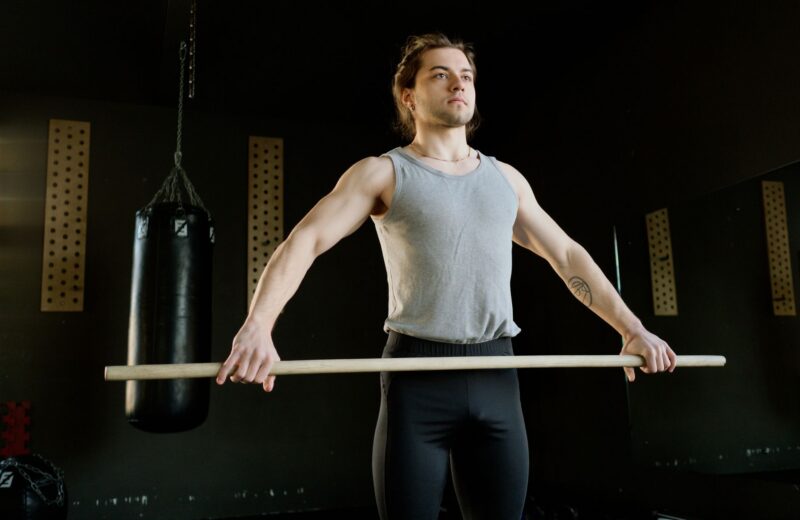
The most dangerous part of a fight week is often not the fight. It is the forty eight hours before it, when an athlete sits in a plastic suit on a hot bathroom floor, sweating out water they will spend the next day trying to put back. Weight cutting is the one part of combat sports where athletes routinely push their bodies past the point of physiological safety on purpose, and where the sport’s own rules decide how far they can go.
Cutting Weight Is Mostly Not Fat Loss
There are two entirely different processes hiding under the same phrase. The first is a genuine reduction in body mass over weeks or months: a caloric deficit, protein held high to protect lean tissue, training volume managed so the athlete arrives at camp’s end lighter and still strong. That is nutrition, and it is slow.
The second is what people actually mean by a cut. In the final three to five days, a fighter manipulates total body water and gut content to hit a number on a scale they could not otherwise reach, then reverses the process the moment the scale reads correctly. Nothing about it is fat loss. It is a temporary, reversible reduction in the fluid inside and around the athlete’s cells.
The reason it exists is competitive rather than medical. A fighter who weighs 185 pounds on Friday afternoon and steps into the cage at 200 on Saturday night has manufactured a size advantage over an opponent who did not. Everyone knows this, so everyone does it, and the equilibrium settles somewhere uncomfortable.
How a Water Cut Actually Works
The mechanics are reasonably well understood. Each gram of stored muscle glycogen holds roughly three grams of water with it, so depleting carbohydrates strips water passively. Sodium manipulation and high fluid intake earlier in the week upregulate the kidneys’ fluid clearance, so that when intake drops, output keeps running for a while. Then heat does the rest: hot baths, saunas, and sweat suits drive fluid out through the skin.
| Phase | Typical timing | What is being removed | Primary risk |
|---|---|---|---|
| Fat loss | Weeks to months out | Adipose tissue | Under fueling, muscle loss |
| Gut and fiber reduction | 4 to 5 days out | Undigested food residue | Low energy availability |
| Carbohydrate depletion | 3 to 4 days out | Glycogen and bound water | Power and repeat effort decline |
| Water loading then restriction | 1 to 3 days out | Extracellular fluid | Electrolyte disturbance |
| Sweat cut | Final 12 to 24 hours | Plasma volume | Heat illness, cardiac and renal strain |
The final phase is the one that hurts people. Plasma volume is the water in the blood itself. Remove enough of it and the heart compensates by beating faster against thicker blood, core temperature climbs because there is less fluid available to cool the body, and the kidneys, already working to conserve every drop, get hit with reduced perfusion.
What It Costs in the Ring
The performance literature on acute weight loss in combat sports is not unanimous, but the pattern is consistent enough to act on. Small, well managed cuts with a long rehydration window seem to cost little. Large cuts, particularly those beyond roughly five percent of body mass, are associated with reduced high intensity repeat effort capacity, impaired thermoregulation, and degraded mood and cognitive performance. Peer reviewed work on acute weight loss strategies in judo, wrestling, and mixed martial arts has repeatedly found that rehydration in the hours after a weigh in restores body mass long before it restores function.
That distinction matters. A fighter can weigh what they weighed on Monday and still be operating with depleted glycogen, unrecovered plasma volume, and a nervous system that has spent three days under stress. Round four is where the bill comes due. This is exactly the tradeoff that undermines all the careful work of a real strength block, the kind covered in building power without sacrificing speed. You can spend twelve weeks adding usable output and give it back in seventy two hours.
The Documented Dangers
This is not a theoretical concern. In late 1997, three collegiate wrestlers died within a period of about six weeks while attempting rapid weight loss, and the CDC investigation published in the MMWR attributed the deaths to hyperthermia and dehydration during intentional cutting. Each athlete had been exercising in a hot environment in vapor impermeable clothing while restricting fluid. The NCAA response was immediate and structural: minimum body fat standards, weigh ins moved much closer to competition, and a ban on saunas and rubber suits for weight loss.
The acute risks are the obvious ones. Heat illness, rhabdomyolysis, acute kidney injury, and cardiac arrhythmia from electrolyte disturbance are all documented consequences of severe dehydration, and the basic clinical picture of dehydration is not controversial. The chronic questions are harder. Researchers have raised the concern that reduced cerebrospinal fluid volume leaves less cushioning around the brain, which would be a bad state to be in while absorbing punches, though the direct evidence in fighters remains limited. It sits alongside the broader questions raised in the discussion of what the science says about CTE in combat sports: plausible mechanism, incomplete data, real stakes.
Why Weigh-In Timing Is the Whole Argument
Every regulatory debate about weight cutting reduces to one variable: how long a fighter has between hitting the number and competing.
- Day before weigh ins give roughly twenty four to thirty hours of rehydration. This is standard in professional boxing and most MMA, and it is precisely what makes enormous cuts viable. The recovery window is the incentive.
- Same day weigh ins compress the window to a few hours, which makes a large cut a losing strategy because the fighter cannot rebuild before the bell. Amateur boxing has historically weighed in on the day of competition for this reason.
- Hydration testing uses urine specific gravity to disqualify fighters who show up dehydrated rather than merely light. ONE Championship removed dehydration based cutting in 2016 and built its weight system around hydration checks, which remains the most aggressive intervention in a major promotion.
Commissions have moved in the same direction more cautiously. Weight classes, weigh in procedures, and the consequences of missing weight are written into administrative law state by state, as in Nevada’s regulations governing unarmed combat, and several commissions have added early weigh ins, extra weight classes to reduce the gaps fighters must span, and penalties that scale with the miss.
Cutting Less Badly
No one is going to legislate the incentive away entirely, so the practical question is how to reduce harm. The consistent advice from sports dietitians who work with fighters:
- Fight at a weight where the last week removes water, not where it removes a fifth of the athlete. If the walking around weight is more than about ten percent above the limit, the division is wrong.
- Do the fat loss in camp, not in fight week. Arriving light is a nutrition problem solved over months.
- Cap the acute water cut and supervise it. Passive heat under observation beats a solo sauna session at midnight.
- Plan rehydration as carefully as the cut, with sodium and carbohydrate, not just water.
- Protect aerobic capacity throughout, because a depleted fighter with a strong base still functions late. That base is built long before fight week, which is part of why roadwork still earns its place in modern camps.
The fighters who last tend to be the ones who solved this early, either by moving up before the cut broke them or by never building a career on a division they could not actually make. The scale is a rule, not an opponent. Treating it like an opponent is how careers get shortened.
References
- Centers for Disease Control and Prevention. Hyperthermia and Dehydration-Related Deaths Associated with Intentional Rapid Weight Loss in Three Collegiate Wrestlers. MMWR. 1998.
- National Library of Medicine. Research on acute weight loss and performance in combat sports. PubMed.
- National Library of Medicine. Dehydration. MedlinePlus.
- Nevada Legislature. Nevada Administrative Code Chapter 467: Unarmed Combat.